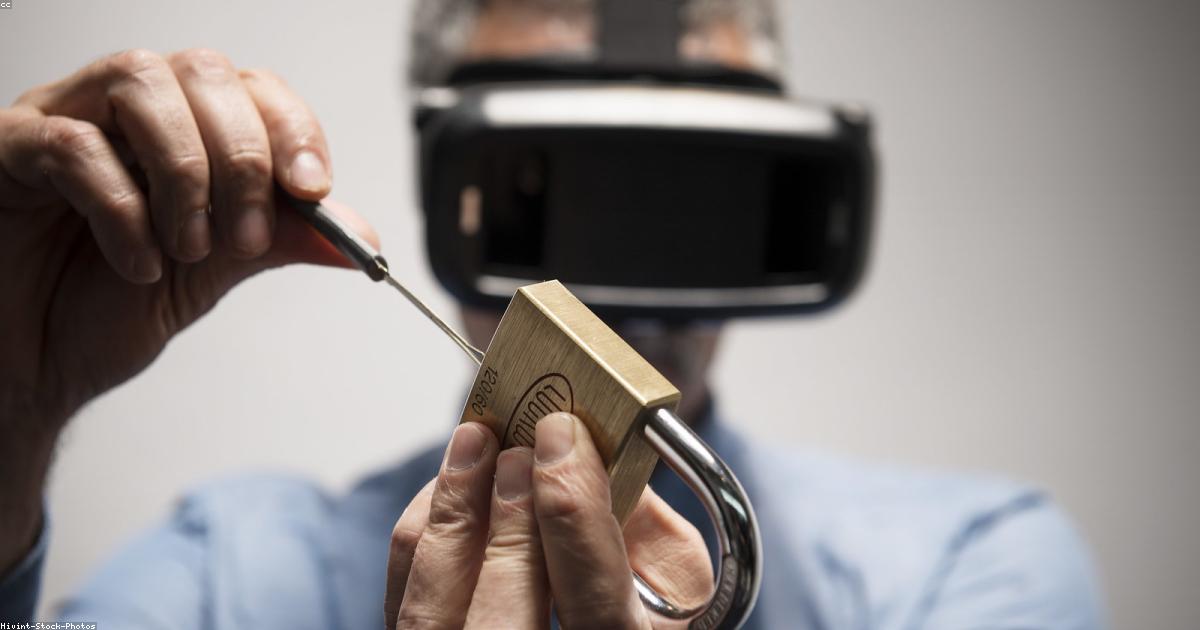
Anthropic — the company that has built its entire brand around being the “safe” AI company — was hit by a significant security breach in early 2026. Source code for their Claude AI agent was leaked. And the tech press largely buried the story.
This is not a minor incident. This is an existential irony. The company that lectures the world about AI safety, that publishes thousand-page safety reports, that positions itself as the responsible alternative to OpenAI — just failed at the most fundamental thing: keeping its own AI secure.
Why This Breach Is Different From a Normal Data Leak
When a company like Sony or T-Mobile gets hacked, the damage is mostly contained. Customer data leaks. It’s bad. It’s expensive. But the core technology isn’t compromised in a way that changes the threat landscape.
AI source code leaks are categorically different.
When the architectural details of a frontier AI model become available to adversaries, several things become possible that weren’t before:
- Jailbreak development becomes dramatically easier. Understanding the internal structure of a model makes it far simpler to find the seams where safety filters can be bypassed.
- Nation-state actors can accelerate their own development by studying what approaches work at the frontier.
- Competitor espionage becomes trivially rewarded. Billions in R&D investment can be partially replicated by someone who simply reads the leaked code carefully enough.
Anthropic was reportedly scrambling to address the breach. “Scrambling” is not a word that inspires confidence from a company that claims to have safety as its north star.
The “AI Safety” Company That Couldn’t Secure Its Own AI
Anthropic was founded specifically because its founders believed OpenAI wasn’t taking safety seriously enough. They left. They raised billions. They published research on Constitutional AI. They testified before Congress about the importance of careful, responsible AI development.
And then someone walked out with the source code.
The uncomfortable truth is that “AI safety” as practiced by frontier labs has always been primarily about model behavior — making sure the AI doesn’t say bad things — rather than operational security, information security, or the physical and digital safeguarding of the technology itself.
The safety discourse is overwhelmingly about alignment: will the AI have good values? Almost no serious public attention goes toward: will the AI stay in the hands of the people who built it?
Who Has Claude’s Source Code Now?
That’s the question nobody wants to answer out loud.
The most optimistic scenario: a financially motivated individual who will try to sell it on the dark web for cash, get caught, and spend years in federal prison. Damaging but contained.
The more concerning scenarios involve state actors with the resources to use what they’ve acquired. China, Russia, Iran, and North Korea all have serious AI development programs and serious motivation to understand how the most capable Western AI systems work at the architectural level.
Anthropic has not publicly confirmed the full scope of what was accessed. They never will. The legal and competitive exposure would be catastrophic.
What This Means for Every User Who Trusts Anthropic
If you use Claude for work — for legal documents, medical information, personal conversations, business strategy — you handed that information to a company that just demonstrated it cannot protect sensitive material from exfiltration.
This isn’t about blaming the security team. Sophisticated breaches happen to sophisticated organizations. The problem is the gap between the public positioning — “we are the safety-first AI company” — and the operational reality.
Trust in AI companies needs to be earned through transparency and accountability, not through press releases and Senate testimony. Until AI companies are required to disclose breaches with the same urgency as financial institutions or healthcare providers, you are taking a risk every time you trust one with something that matters.
The “safe” AI company got hacked. That tells you everything you need to know about how safe any of this actually is.